
Server-side tagging: a complete guide
Imagine this:
You have a website that loads lightning-fast, your data is more secure than Fort Knox, and you can bypass ad blockers like a digital ninja. Sounds like a dream, right? Welcome to the world of server-side tagging!
This technology is like a turbo engine for your online presence. We’re going to discover how server-side tagging completely changes the rules of online data collection and analysis.
Read on…
Free Strategy Session
Do you want to take your website to the next level? Request a free strategy session now.
Server-side tagging: the basics
What is server-side tagging?
Let’s keep it simple: server-side tagging is like a smart traffic controller for your website data. Instead of sending all data directly from your visitor’s browser, the information is first sent to your own server. There, it’s neatly organized and then forwarded to the correct destinations.
But what does that mean in practice? Imagine you have an online store. Normally, every click, pageview, or purchase would be sent directly to tools like Google Analytics or Facebook Pixel. With server-side tagging, all that information first passes through your own ‘traffic control tower’. There, you can decide which data to forward, how to format it, and even add extra information if needed.
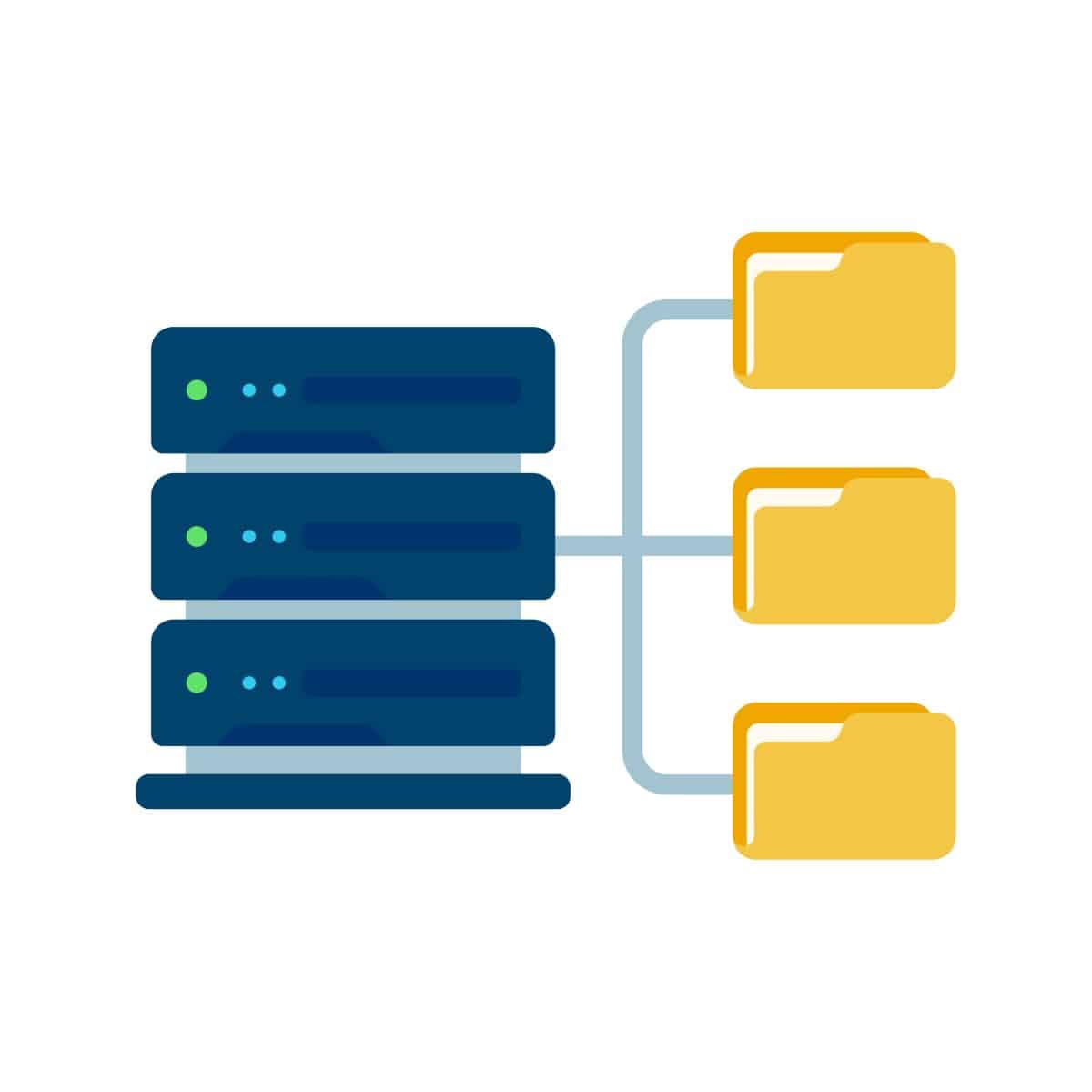
The beauty of server-side tagging is that it gives you much more control. You can clean up, enrich, and even omit certain sensitive data before it’s sent out. It’s like having a personal assistant who neatly organizes all your data before it leaves the office.
What’s the difference from client-side tagging?
Now that you know what server-side tagging is, let’s look at how it compares to the more traditional client-side tagging.
With client-side tagging, everything happens in the visitor’s browser. Every tag, pixel, or tracking script is loaded and executed directly on the page the user is viewing. Client-side tagging is like a busy traffic circle where all data is sent in different directions, directly from the visitor’s computer or phone.
Server-side tagging, on the other hand, moves this traffic to the background. Instead of a jumble of scripts loading in the browser, there’s a single connection to your server. This offers several major advantages:
Think of client-side tagging as a busy market where everyone is shouting over each other. Server-side tagging is more like an organized meeting where you set the agenda. It gives you the ability to precisely control what information is shared and how.
Furthermore, server-side tagging offers a solution to the growing concerns around privacy and cookie legislation. Because the data first passes through your server, you can ensure compliance with regulations like GDPR, without sacrificing the quality of your data.
In short, server-side tagging is not just a technical upgrade – it’s a rethinking of how we handle online data. It offers more control, better performance, and increased privacy. And the best part? We’re only just beginning to discover its possibilities. In the following sections, we’ll delve deeper into how you can implement and optimally utilize server-side tagging for your website or application.
The technical workings of server-side tagging
The architecture of server-side tagging
When a visitor comes to your website, their browser sends a single request to your server-side tagging environment. This request contains all relevant information about the user’s interaction. Think of pageviews, clicks, or even more complex actions like purchases.
Here’s the clever part: your server-side tagging setup processes this request and then determines which actions need to be taken. It can forward data to various analytical tools, marketing platforms, or even your own databases. And the beauty is: this all happens behind the scenes, without the user noticing anything.
The architecture of server-side tagging also provides room for advanced features. For example, you can:
- Enrich data with information from your own systems
- Filter sensitive information before it’s forwarded
- Apply complex logic to determine which data goes where
The result is a flexible, secure, and efficient data processing system that is completely under your control.
Setting up a server-side tagging environment
Now that you know how the architecture works, you might be asking yourself: “How do I set this up?” Don’t worry, we’ll guide you through the process step by step.
- Choose your platform: there are various options available, such as Google Tag Manager Server-Side or open-source alternatives.
- Set up a server: you need a server to host your server-side tagging environment. This can be a cloud solution like Google Cloud Platform or Amazon Web Services.
- Configure your server: install the necessary software and configure your server to receive and process requests.
- Create tags: create tags that determine what data is collected and where it is sent.
- Test thoroughly: before going live, you need to extensively test your setup to ensure everything works correctly.
- Implement on your website: add a small piece of code to your website that sends requests to your server-side tagging environment.
- Monitor and optimize: keep an eye on your setup and adjust where necessary.
Setting up a server-side tagging environment may sound complicated, but with the right guidance, it is certainly achievable. It does require some technical knowledge, so don’t hesitate to seek help if needed.
Remember: server-side tagging is an investment in the future of your data strategy. It not only offers you more control and flexibility but also prepares you for a world where privacy is becoming increasingly important. By making the switch now, you put yourself in a strong position for the future of online marketing and analytics.
Server-side tagging is not a hype – it brings a range of benefits that can elevate your online presence. Here are the main advantages of server-side tagging at a glance:
More control over data privacy and security
With server-side tagging, you have a firm grip on data privacy. Because all data first passes through your server, you can precisely determine what information you share and with whom. Sensitive data remains securely locked away. Moreover, you significantly reduce the risk of data breaches. Instead of sending data directly from your visitors’ browsers (where it is more vulnerable), everything goes through your secure server.
Improved website performance
Here’s the great part: server-side tagging can give your website a significant speed boost. How? Instead of dozens of different tags that need to load in the browser, you now have a single request to your server. The result? Faster loading times and a smoother user experience.
Bypassing ad blockers
Ad blockers are the enemy of many marketers. But with server-side tagging, you have a secret weapon. Because the data is sent from your own server, and not directly from the browser, ad blockers find it much harder to detect and block your tracking. This means you can collect important information without ad blockers catching on. This means you get a complete picture of your user behavior, without blind spots.
Simplified compliance with regulations (such as GDPR)
In today’s digital landscape, compliance with privacy legislation is a necessity. Server-side tagging makes this a lot easier. You have full control over what data you collect and how you process it before it is forwarded.
With server-side tagging, you can filter out personal information before it goes to third parties. You can also more easily comply with data deletion requests, as everything is managed centrally. Moreover, server-side tagging gives you the flexibility to quickly adapt to new regulations. By using server-side tagging, you are not only taking a step forward in technology, but also in responsible data management. You improve your website performance, better protect your data, and make your marketing team’s life a lot easier. It’s a win-win situation for you, your users, and your company as a whole.
Challenges and Considerations for Implementation
While server-side tagging offers many benefits, there are also challenges. Let’s look at the obstacles you might encounter and how to address them.
Required Technical Expertise
Let’s be honest: server-side tagging is not a plug-and-play solution. It requires a significant amount of technical knowledge and experience.
The implementation of server-side tagging includes:
- Setting up and configuring servers
- Writing and maintaining complex code
- Understanding data flows and API integrations
- Troubleshooting at server level
For many organizations, this means acquiring new skills or hiring experts. It is important to assemble a team that understands the technical ins and outs. Think of developers experienced in server-side technologies, data specialists who can design complex data flows, and security experts who can ensure security. Don’t be deterred! With the right approach and support, implementing server-side tagging is definitely achievable.
Costs and Resources for Maintenance
In addition to technical complexity, it’s also important to consider the financial side of server-side tagging. Here are some cost items to consider:
- Server costs: you need good servers to run your server-side tagging setup. This may mean investing in cloud infrastructure or dedicated servers.
- Personnel costs: whether you train internal staff or hire external experts, there are costs associated with acquiring the necessary expertise.
- Maintenance costs: server-side tagging requires continuous maintenance and updates for optimal, secure performance.
- Software: you may need specific tools or software for managing and monitoring your server-side tagging setup.
It is important to draw up a realistic budget that covers implementation and ongoing costs. Consider it a long-term investment in your data infrastructure.
Despite these challenges, server-side tagging offers significant benefits that often justify the extra effort and costs. It gives you unprecedented control over your data, improves your website performance, and helps you comply with privacy regulations.
The key to success lies in good preparation. Make sure your team is ready for the challenge, set a realistic budget, and have a clear plan for implementation and maintenance. With the right approach, server-side tagging can be a game-changer for your online presence.
Server-side tagging for data collection
Let’s dive into how server-side tagging elevates your data collection. It’s like upgrading your old binoculars to a state-of-the-art telescope – you suddenly see so much more!
Improving data accuracy
With server-side tagging, you have the opportunity to significantly boost your data quality:
- Less data loss: because the data first goes to your server, there is less chance of data being lost due to browser issues or ad-blockers.
- Consistent data collection: server-side tagging ensures a uniform method of data collection, regardless of the user’s device or browser.
- Real-time data processing: you can process and enrich data instantly before it is forwarded to your analytical tools.
- Better control over data flows: you precisely determine what data you collect and how you format it.
By using server-side tagging, you get a much more accurate picture of your user behavior. This leads to better insights and ultimately to smarter decisions.

First-party versus third-party cookies
Third-party cookies are like uninvited guests at a party. They are placed by domains other than your own and are increasingly blocked by browsers and ad-blockers. First-party cookies, on the other hand, are like VIP guests – they come from your own domain and are much less often blocked.
Server-side tagging allows you to work more with first-party data.
- Direct data collection: instead of external scripts collecting data, you first send everything to your own server.
- Cookie control: you have full control over which cookies are placed and how they are used.
- Longer lifespan: first-party cookies often have a longer lifespan, ensuring better user identification over time.
- Increased privacy: you can filter sensitive information before it is shared with third parties.
By switching to server-side tagging and first-party data, you are preparing for a cookie-less future. Moreover, server-side tagging gives you the flexibility to quickly adapt to changing privacy regulations. You can easily adjust what data you collect and how you process it, without overhauling your entire tracking setup.
In short, server-side tagging is not just a technical upgrade, but a strategic move that makes your data collection and analysis future-proof. It gives you the tools to work more accurately, privacy-friendly, and flexibly in an increasingly complex digital world.
E-commerce and retail
In the world of online shopping, server-side tagging is a true game-changer. Imagine: you run a busy webshop with thousands of visitors daily.
- Faster loading times: with fewer scripts loading in the browser, your site becomes lightning-fast. And we all know: a fast site = more conversions.
- More accurate tracking: you can perfectly track every click, every product view, and every purchase, even if visitors use ad-blockers.
- Improved product recommendations: by processing data on your server first, you can make smarter, real-time recommendations to your customers.
- More secure transactions: sensitive payment data never goes directly to third parties.
A large online retailer saw their conversion rate increase by 15% after implementing server-side tagging. Why? Faster site, better personalization, and less data loss due to ad-blockers.
Digital marketing and advertising
For marketers, server-side tagging is like a magic wand that elevates their campaigns:
- Better attribution: you can more accurately determine which channels and campaigns truly contribute to conversions.
- Real-time personalization: tailor your message based on user behavior, even before the page has fully loaded.
- Improved cross-device tracking: seamlessly track users across different devices without relying on third-party cookies.
- Ad-blocker circumvention: gather crucial data, even if users have installed ad-blockers.
Finance and banking
In the financial sector, where security and compliance are paramount, server-side tagging is a real blessing. Just look:
- Improved data security: sensitive financial data never goes directly from the browser to third parties.
- Simpler regulatory compliance: you have complete control over what data is collected and shared, which makes complying with strict financial regulations much easier.
- Fraud detection: by processing data on your own server first, you can detect suspicious activity faster and more efficiently.
- Personalized service: offer customers relevant financial products based on their behavior, without compromising their privacy.
In every sector, server-side tagging offers unique benefits. Whether you’re selling products, running marketing campaigns, or processing sensitive financial transactions, this technology gives you the tools to work better, faster, and more securely. It’s not just a technical upgrade, but a strategic move that gives you an edge in your industry.
evolution of server-side tagging
Let’s get out our crystal ball and look at what the future holds for server-side tagging. The digital landscape is changing rapidly, and server-side tagging is evolving with it. Exciting, isn’t it?
How do you stay ahead in the changing technology landscape?
In the world of digital technology, standing still is going backwards. So how do you make sure you stay at the forefront with server-side tagging? Here are some tips:
Server-side tagging in the post-cookie era
We are heading towards a world without third-party cookies. Exciting? Definitely! But with server-side tagging, you’re ready for it.
- First party data: server-side tagging allows you to get more value from your own, first-party data. You are less dependent on external sources.
- Improved privacy: in a cookie-less world, privacy becomes even more important. Server-side tagging gives you the control to meet strict privacy requirements.
- Alternative identification methods: server-side tagging makes it possible to implement new ways of user identification, such as server-side cookies or advanced fingerprinting techniques.
- Contextual targeting: instead of relying on personal data, you can use server-side tagging to improve contextual targeting. Analyze the content that users view to display relevant advertisements.
- Machine learning integration: expect a closer integration between server-side tagging and AI/ML models for even smarter data analysis and predictions.
The future of server-side tagging looks promising. It allows you to remain flexible and innovative in a rapidly changing digital world. By investing in server-side tagging now, you are preparing for a future in which data privacy and user experience go hand in hand.
Integration with other tools and platforms
Linking with Google Analytics and Google Tag Manager
Google Analytics and Google Tag Manager are like the dynamic duos of the digital world. And guess what? They play fantastically with server-side tagging.
- Google Tag Manager Server-Side: Google has released a server-side version of their popular Tag Manager. This is like a turbo-boost for your tagging setup. You can now manage and execute tags on a server, which gives you more control and flexibility.
- Improved data quality for Google Analytics: by using server-side tagging, you can clean and enrich data before it is sent to Google Analytics. The result? Cleaner, more accurate reports.
- Faster website with fewer tags: instead of loading all Google tags directly on your site, you can handle them server-side. This makes your site faster and improves the user experience.
- Better privacy control: with server-side tagging, you can determine exactly what data you send to Google, which helps with complying with privacy rules.
- Google Tag Assistant compatibility: although Google Tag Assistant is primarily designed for client-side tags, you can still use it to debug and validate your server-side setup.
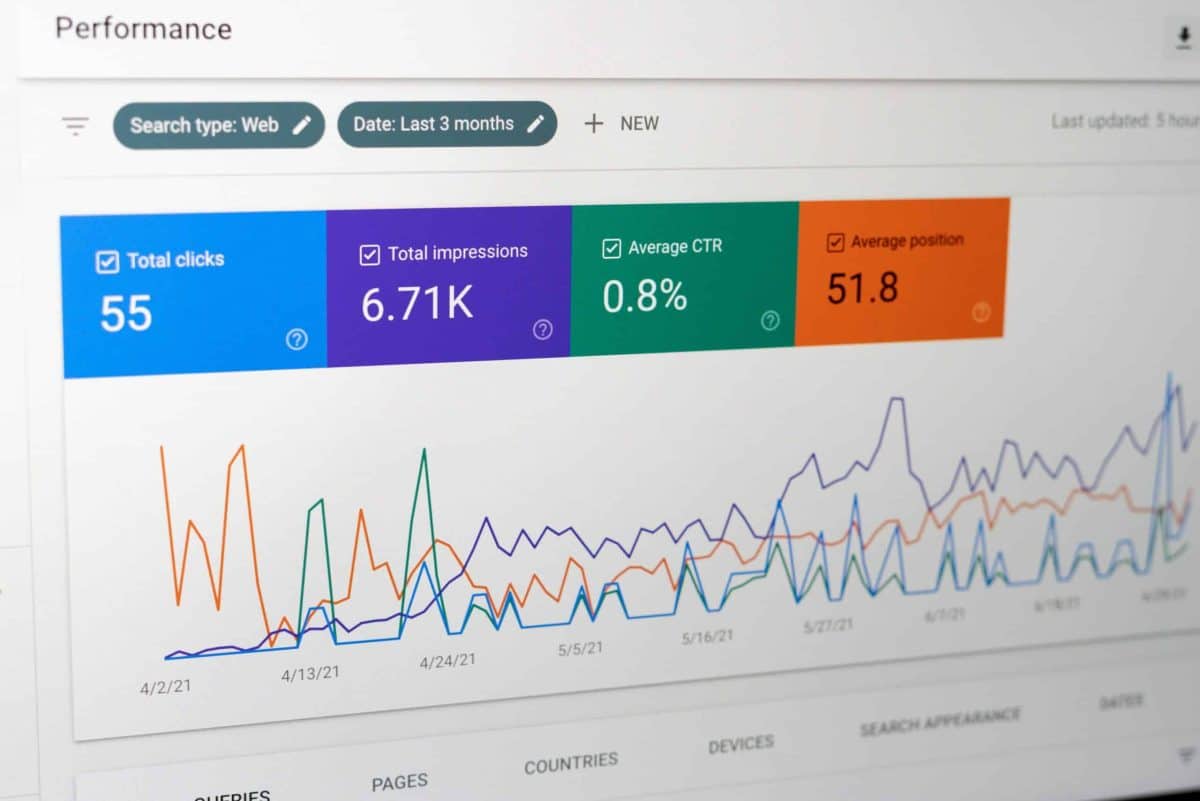
Pro-tip: when you implement server-side tagging with Google Tag Manager, make sure you use the Google Tag Assistant to verify your setup. This helps you to quickly identify and resolve any problems.
Compatibility with other analysis and marketing tools
Server-side tagging is not monogamous – it works great with a wide range of other tools. Here are some examples:

- Adobe Analytics: server-side tagging can seamlessly integrate with Adobe’s powerful analysis platform.
- Facebook Pixel: by implementing the Facebook Pixel server-side, you can send advertising data without relying on cookies or browser restrictions.
- Salesforce Marketing Cloud: server-side tagging makes it possible to send richer, more detailed data to Salesforce for better customer segmentation and personalization.
- Mixpanel and Amplitude: these popular product analytics tools can benefit from the improved data quality and reliability that server-side tagging offers.
- A/B testing tools: Platforms such as Optimizely or VWO can be implemented server-side for faster and more reliable experiments.
The beauty of server-side tagging is that it is a kind of universal translator for your data. It can collect, process, and forward information to virtually any tool you use. This means that you are not stuck in one ecosystem, but can flexibly choose which tools best suit your needs. Remember: the power of server-side tagging lies not only in what it can do itself, but also in how it works with your existing toolstack. By making smart use of these integrations, you can create a data ecosystem that is much more powerful than the sum of its parts.
implementation
If you are going to implement server-side tagging, you naturally want to do it right away. It’s like building a house – a solid foundation and the right approach ensure that everything runs smoothly. Let’s take a look at some best practices that can help you.
Safety measures and data protection
With server-side tagging, you are dealing with sensitive data. That is why it is crucial to take the right safety measures. Here are some tips:
Tips for troubleshooting and optimization
Even with the best preparation, you may encounter problems. Here are some tips to keep your server-side tagging setup running smoothly:
Remember that server-side tagging is not a set-it-and-forget-it solution. It requires continuous attention and optimization. But with the right approach, it can be a powerful tool in your digital toolkit.
The future of digital data strategies with server-side tagging
Server-side tagging is not just a trend – it is a fundamental shift in how we deal with data in the digital world. It’s like the switch from an old-fashioned telephone to a smartphone. The possibilities are endless:
Remember: in the world of digital data, knowledge is power. With server-side tagging, you not only have the knowledge, but also the control to use that knowledge effectively and responsibly. It is an exciting time to work in digital marketing and analytics, and I can’t wait to see how we will use this technology to shape the digital experiences of tomorrow.